Texttospeechai · text to speech ai

Turn written words into natural-sounding voice

Voice choice guide

Text to speech ai vs voice changer: choose with confidence

Text to speech ai vs voice changer tools solve different problems. One creates a new spoken performance from written words; the other transforms an existing voice recording, so the better choice depends on your input, quality target, and workflow.

Decision map

Total-cost table

The cheapest option is not always the one with the lowest price. Compare what each workflow requires before you count editing time, recording equipment, and revisions.

Video creator

You have a finished script but no quiet room, microphone, or narrator available.

Text to speech ai turns the script into a usable voice track without arranging a recording session. If you are also comparing free access models, the text to speech ai vs free guide explains where limits can affect production.

text to speech ai vs free
Podcaster

You want to alter a recorded delivery while preserving timing, pauses, and the original performance.

A voice changer may be more direct because it works from audio rather than rebuilding every line from text. The text to speech ai alternative free page covers other routes when the first tool is a poor fit.

text to speech ai alternative free

Course designer

You need several lessons narrated consistently and expect wording to change during review.

Text to speech ai reduces repeat recording because revisions begin with the script. It is usually easier to maintain consistent pronunciation and pacing across a lesson series.

text to speech ai vs free

Short-form editor

You already have a clip and want a different character, tone, or vocal texture without rewriting the dialogue.

A voice changer can preserve the source performance while shifting its sound. Compare alternatives first when the effect you need is closer to narration than transformation.

text to speech ai alternative free

Workflow check

Where quality differs

Quality is shaped by the source material. Written input gives speech generation room to improve delivery, while recorded input gives voice changing a performance to preserve.

  1. 1

    Identify the source

    Start with the asset you already have: a script points toward text to speech ai, while a finished recording points toward a voice changer. This prevents choosing a tool based only on its demo voice.

  2. 2

    Set the quality target

    For generated speech, review pronunciation, emphasis, pauses, and emotional fit. For transformed audio, review clarity, artifacts, background noise, and whether the new character still sounds natural.

  3. 3

    Test the hardest passage

    Use a sentence with names, numbers, punctuation, or expressive delivery. A short stress test reveals more than a smooth sample and shows which workflow needs fewer corrections.

Continue comparing

Where time differs

The fastest route is the one that matches your starting material. These related comparisons help separate a low-friction first pass from a workflow that needs repeated cleanup.

Honest limits

When switching is worth it

Neither approach is a universal replacement for the other. Switch when the current input, revision cycle, or quality requirement creates more work than the alternative would.

Text input cannot preserve a specific performance

Generated speech can follow the words, but it does not automatically retain the exact timing, breath, imperfections, or emotional choices of a recorded speaker.

Workaround

Choose a voice changer when preserving the original delivery matters more than rewriting the script.

A voice changer cannot fix weak source audio

Noise, clipping, uneven volume, and unclear diction can remain noticeable after transformation. Changing vocal character is not the same as repairing every recording problem.

Workaround

Clean or rerecord the source before applying a voice effect, or use text to speech ai from a revised script.

Generated speech still needs editorial review

Names, abbreviations, numbers, punctuation, and unusual phrasing can affect pronunciation or rhythm. A synthetic track should be checked like any other narration.

Workaround

Test difficult lines early and keep a pronunciation-aware version of the script for revisions.

Neither tool replaces a rights decision

A technically successful voice result does not settle whether you have permission to imitate, transform, publish, or distribute a person’s voice.

Workaround

Use voices and recordings you are authorized to use, especially for public or commercial projects.

Listen for the difference

A practical quality test

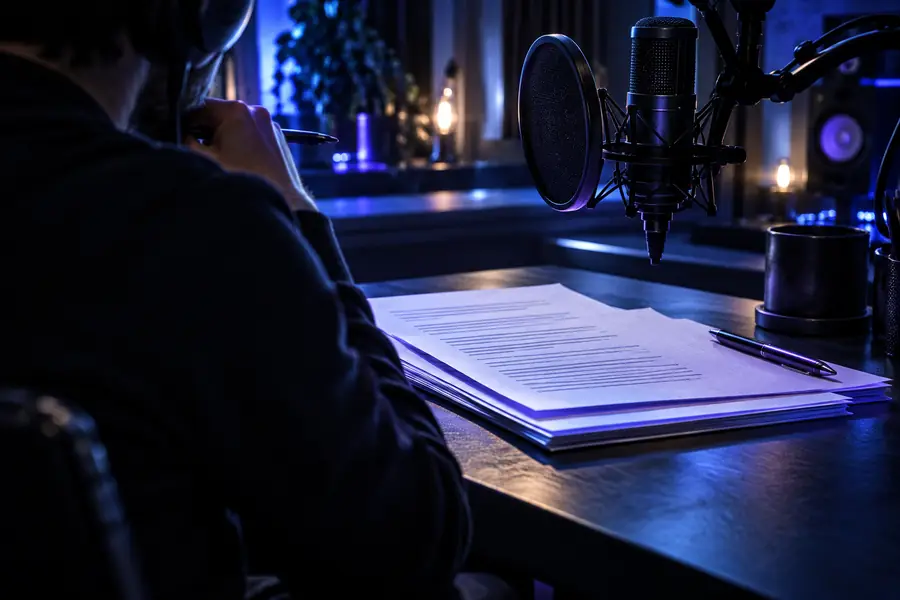
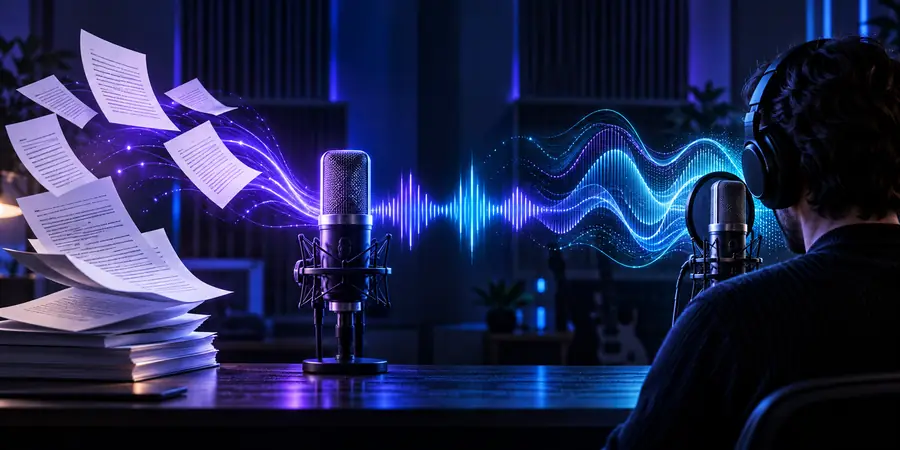
The comparison is easiest to hear when the same idea is judged against two different starting points: a written line and an existing performance.

Written script prepared for generated narration Written input
Recorded voice prepared for transformation Recorded input
Judge clarity, control, and revision effort—not just the first sound.

Make the call

Choose the workflow that matches your source

Use text to speech ai when your project begins with words, changes often, or needs a consistent narrated voice across many revisions. Choose a voice changer when you already have a recording and the performance, timing, or character of that recording is important. The practical winner is the option that removes the largest bottleneck, not the one with the most impressive demo.

Try the right voice tool
  • Start from a script when wording is still changing
  • Start from audio when performance timing must remain intact
  • Test one difficult passage before committing to a full project

Comparison FAQ

Comparison FAQ

These answers address the most common choice points when comparing generated narration with transformed voice audio.

Text to speech ai creates spoken audio from written text, so the script is the starting point. A voice changer begins with an existing recording and modifies characteristics such as vocal tone or character while working from that performance.

Text to speech ai is usually the more direct choice when you have written narration and no finished recording. It also makes wording changes easier because you can revise the script instead of arranging another recording session.

Not in every workflow. A voice changer needs source audio, so it cannot directly turn a silent script into narration; it is better suited to transforming a recording that already contains the desired timing and delivery.

The faster option depends on what you already have. If the narration exists as text, text to speech ai can avoid rerecording, while a voice changer may be faster when the finished audio is acceptable and only its vocal character needs to change.

Neither is automatically more natural in every case. Generated speech depends on pronunciation, pacing, and emotional fit, while transformed audio depends heavily on the clarity and expressiveness of the source recording.

Switch when repeated script edits, missing source audio, or inconsistent recordings are slowing the project down. Text to speech ai is a stronger fit when your workflow is driven by written content and repeatable narration rather than preservation of one performance.

Start creating
Start creating