Texttospeechai · text to speech ai

Turn written words into natural-sounding voice

Plain-language guide

what is text to speech ai free, explained simply

If you are asking what is text to speech ai free, the short answer is simple: it is software that turns written words into spoken audio using artificial intelligence. This guide explains the process, practical uses, and important limits without assuming technical knowledge.

Start with the idea

What text to speech AI is

Text to speech AI reads digital writing and produces an artificial voice that follows the words, punctuation, and intended meaning. It is useful when you need spoken content without recording every sentence yourself.

Set fair expectations

How text to speech AI works

Text to speech AI can make speech production easier, but it does not understand every human intention perfectly. Knowing the boundaries helps you choose better text and review the result responsibly.

It cannot guarantee human emotion

A synthetic voice may sound warm, serious, or energetic, but emotional nuance can be uneven across sentences and languages.

Workaround

Use clear punctuation, shorter sections, and listen to the full result before publishing.

It cannot fix unclear writing

Text to speech AI generally follows the words it receives, so confusing structure, misspellings, and ambiguous names can produce awkward speech.

Workaround

Edit the script first and spell out unusual abbreviations or pronunciations.

It cannot replace every voice performance

A professional actor remains better suited to roles requiring improvisation, character continuity, or highly specific dramatic direction.

Workaround

Use text to speech AI for drafts, narration, accessibility, and repeatable voice tasks.

Free access may have conditions

A free tool or free plan can have limits related to usage, features, export options, or commercial rights.

Workaround

Review the current product terms before relying on a free workflow for a public or commercial project.

Behind the output

What it can and cannot do

The basic text to speech ai process has three connected stages. Each stage affects the quality of the spoken result, so the input still matters even when the synthesis is automated.

  1. 1

    Prepare the writing

    The system receives a script, article, lesson, caption, or other text. Sentence length, punctuation, spelling, and names give the voice useful signals.

  2. 2

    Interpret the text

    The AI analyzes words, pauses, sentence structure, and pronunciation patterns before deciding how the voice should deliver the passage.

  3. 3

    Synthesize the speech

    A trained voice model generates spoken audio from that interpretation, creating a result you can review, revise, and use in an appropriate context.

Useful context

Who uses it

The scale of a text to speech ai project can vary from one short explanation to a large library of narrated material. These manifest facts show the surrounding site context rather than a promise about any individual output.

The site manifest lists English, French, Spanish, Portuguese, Japanese, and German.
6 languages
The site plan covers 18 focused pages about voice creation, conversion, examples, and comparisons.
18 routes
The core text to speech ai task begins with written content that is transformed into spoken audio.
1 written input

Practical examples

Who uses text to speech AI in practice

Different people use text to speech ai for different reasons. The common thread is a need to turn written information into listenable content with less recording work.

Teachers and course creators

They turn lesson notes, instructions, or study material into spoken explanations for learners who prefer listening.

Students can review content in another format while the creator keeps the original script easy to update.

text to speech ai tutorial free

Accessibility-focused publishers

They add spoken versions of articles, announcements, or instructions for audiences who benefit from audio access.

Written information becomes easier to consume across different reading situations and abilities.

text to speech ai online free

Video and podcast makers

They create draft narration, explainers, or background voice tracks from a prepared script.

A text to speech ai workflow helps test pacing and structure before a final production decision.

how to make ai voice over videos on tiktok

Mobile users

They explore spoken content on a phone, including short scripts, reminders, and creative voice experiments.

Text can become more useful when listening is more convenient than reading from a small screen.

text to speech ai examples iphone

See the transformation

From written script to spoken result

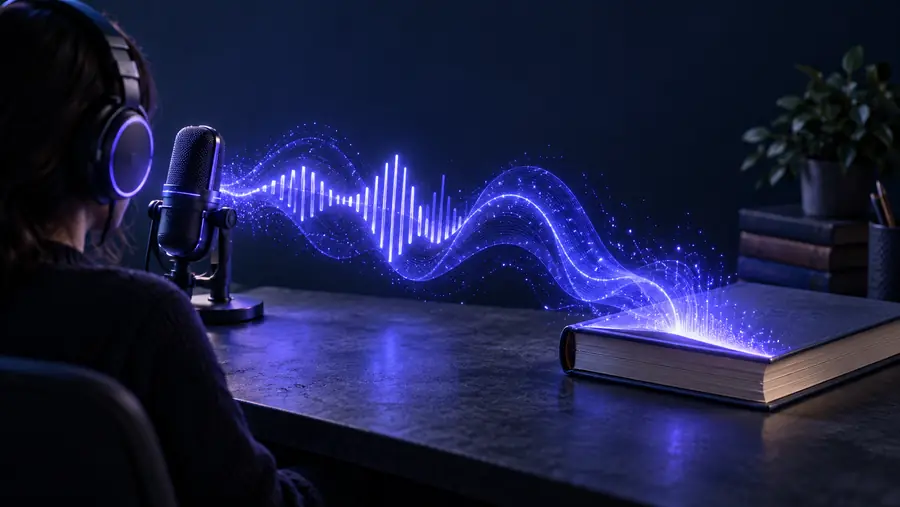
The before-and-after view captures the basic promise of text to speech ai: the words remain the source, while the output becomes something people can hear and review.

Written script prepared for voice generation Written text
Spoken audio concept created from written text Spoken audio
Review the result before sharing it.

Take the next step

Turn a prepared script into voice

You now know what is text to speech ai free, how the process works, and where the technology needs human review. When your script is ready, use the product route to explore a practical text to speech ai workflow.

Create spoken audio
  • Start with a clear, edited script
  • Listen for names, pauses, and pronunciation
  • Check usage terms for your intended project

Common questions

Text to speech AI FAQ

These answers address the basic questions people ask when exploring text to speech ai and free access.

Text to speech AI is software that converts written words into spoken audio. It uses trained voice models to estimate pronunciation, rhythm, pauses, and delivery from the text you provide.

The phrase usually refers to a text to speech ai tool or access tier available without an upfront charge. Free availability can still come with conditions, such as usage limits, feature restrictions, export rules, or separate licensing terms.

The system analyzes the writing, interprets its linguistic structure, and synthesizes audio with a selected artificial voice. Better punctuation and clearer wording usually give the model stronger signals for natural pacing.

It can produce convincing speech, but it does not guarantee the same nuance, timing, or emotional control as a human performer. Review the output carefully, especially for names, emotion-heavy scripts, and public-facing content.

Teachers, publishers, video makers, accessibility teams, and mobile users can all benefit from converting written information into audio. The best use depends on the script, audience, required control, and applicable usage terms.

Start creating
Start creating